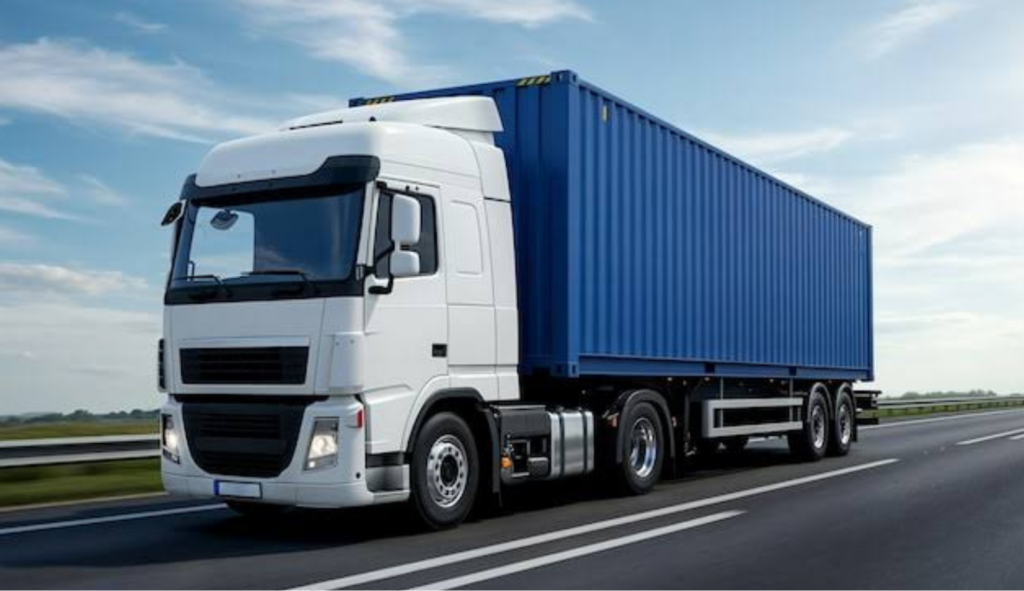
40FT CONTAINERS TRANSPORTATION
40ft Container Transportation: Essential Logistics Guide
Moving 40-foot shipping containers is a standard method for global trade and large-scale freight movement. Standardized across international supply chains, these large steel boxes move easily between cargo ships, freight trains, and road trucks.
Key Features and Capacity
Standard Sizing: Forty-foot containers provide large volume storage designed for bulky goods, dry freight, and packaged commercial items.
Pallet Placement: A standard unit fits two full lines of commercial pallets along its length, maximizing internal space for large distribution loads.
Variant Types: Standard height models handle heavy dense cargo, while High-Cube models provide extra vertical clearance for lighter, bulky goods.
Common Transport Methods
Chassis Trailers: Ideal for long-distance highway travel and port transfers, keeping the container elevated on wheels during transit.
Tilt-Bed Trucks: Useful for delivering containers directly to ground level without requiring heavy cranes or loading docks.
Flatbed Trailers: Best suited for locations with access to heavy forklifts or overhead cranes to lift the container on and off the truck.
Key Operational Factors
Site Access: Ground deliveries require significant straight line space for the truck to pull in, align, and safely offload.
Overhead Clearance: Drivers must ensure route paths clear low bridges, trees, and overhead power lines, especially when hauling taller High-Cube containers.
Weight Distribution: Balancing weight evenly across the container floor is essential to maintain truck stability during road transportation.